
What are the advantages of using a hanging system

What are the advantages of using a hanging system


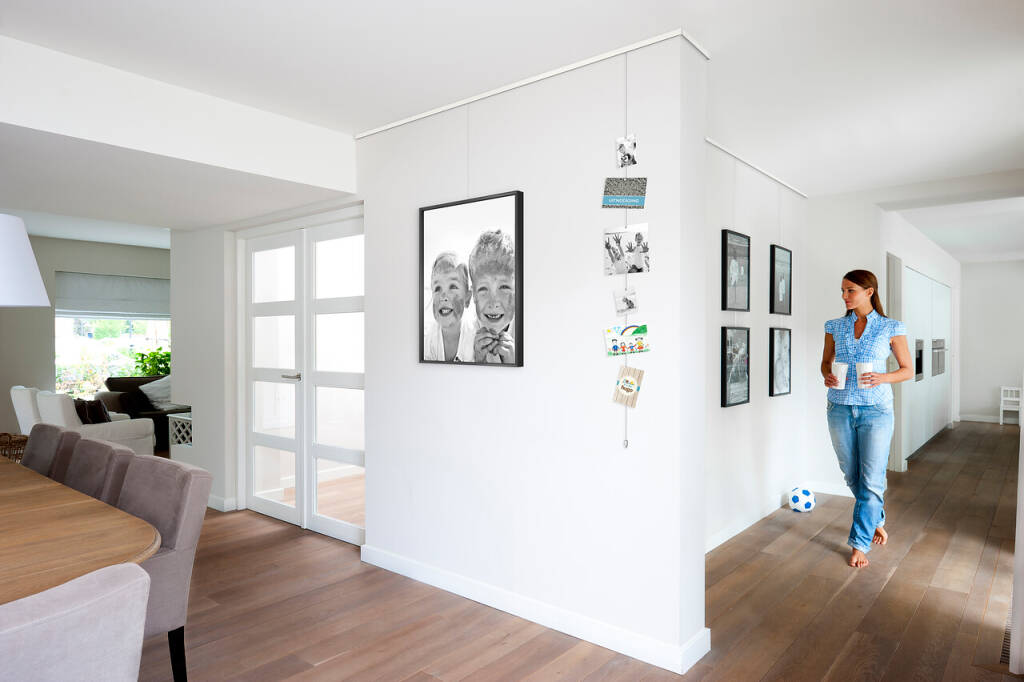
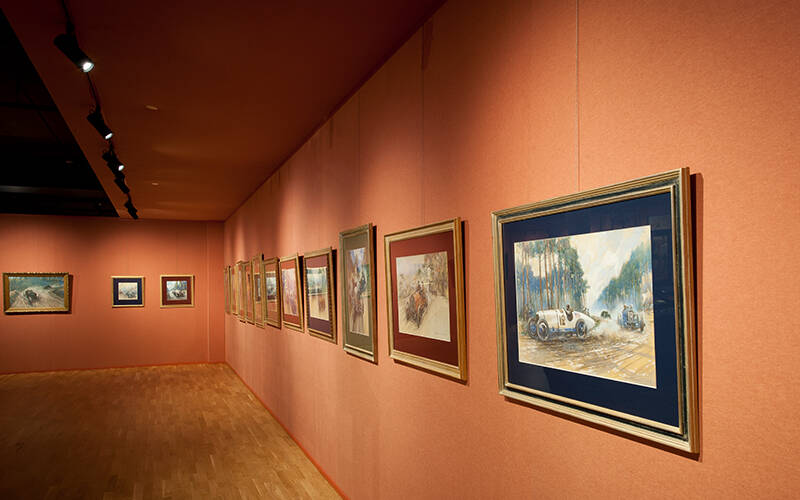
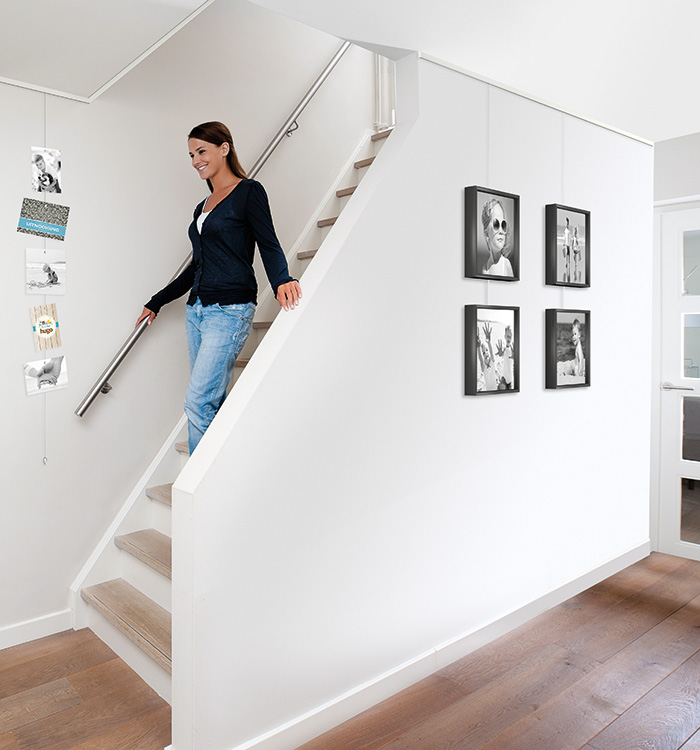
When it comes to art, it’s not only about the piece but how it’s displayed. When you have the ideal setup to hang your artwork, it makes them stand out much better. It helps you occupy space creatively and efficiently. Here are some advantages of using a hanging system.

Better for Adjusting Your Work

A gallery hanging system can help you get the most out of your space. Depending on the position, size, background, and décor of the place, you want to adjust accordingly. Maybe you’re hanging some work in an art exhibit and want to have a cohesive look for all of your artwork.

Curators pay attention to these small details and get a better vision of your art. It could be the difference in your pieces staying on display for another week or a buyer ready to make a purchase.

If you aren’t hanging things in a gallery or museum, you might want to put things in your living room. You have ample space on the wall and want to make sure that you utilize the room tastefully.

You have more flexibility to adjust the pictures in multiple ways before you decide on a final pattern to show off your work.

Keeps Your Work Secure

One of the main things if you’re dealing with expensive pieces, there are art thefts around that want to take your work. Curators will feel the weight off their shoulders when they can fasten the pieces more permanently.

Security hooks make it difficult to steal or tamper with the pictures. Not only will you have peace of mind that your work will be less prone to theft, but it’ll be harder to damage the work.

Also, the security hooks keep your pieces stable. As a result, you’ll see fewer accidents, such as items dropping to the ground from a high fall.

Quality Lighting

You want to show off the unique range of your work by adding a lighting system. You can get LED lighting systems to go with the art frames. Pick ones that work well with your pieces.

That way, you can get ample light but not ruin the integrity of the piece. Lighting that doesn’t produce heat will prevent your work from getting damaged. It’s imperative to have these in place for more delicate work, such as oil paintings and other sensitive art materials.

Saves Time

Another advantage of having a hanging system is saving time. You don’t have to use wires and nails only to find that everything isn’t unaligned. The hooks help secure everything in place, so you don’t have to spend hours to get the optimal setup.

Not to mention, you’ll have a professional look, whether it’s for selling pieces or just having some ambiance in your office. Whether you have a small or large painting, security hooks provide many benefits for hanging your artwork.

More Budget Friendly

It can be a hassle putting pieces by nailing them down. You never know how a wall may take to hammering and nailing. It can get expensive when it’s all said and done.

A gallery hooking mechanism saves you the trouble of hiring a professional to do the job because it won’t go through the wall in a way that affects its structure. Additionally, you won’t have to worry about redecorating and painting because of punctures in the wall.

Written by Randy Thom
Systematicart

How to hang a large picture

How to hang a large picture


In plain simple terms, a very heavy picture is one which you wouldn’t think twice about trying to hang without an extra pair of hands. The issue is not whether you can lift it. It’s about whether you have the strength and motor control in your upper body to execute a manoeuvre to hook it onto the wall on two sides while holding it above your head.

However, steel pins are not long enough nor are they strong enough to hold heavyweight pictures and should NOT be used unless you want your picture to fall off the wall. Ideally, you should aim to hang medium-sized pictures where the stud frame is (i.e. into the wood, which provides a more stable structure), but the chances are the location of the wall stud does not fit where you’d like to hang your picture. To check their location, you need to use a stud locator. The stud finder is invaluable for older properties and where you have drywall. If you know the drywall is robust, you can use a special anchor for drywall.If you live in an older house, you might find that some of your original interior walls are made of lath and plaster, and the rule for these is you absolutely MUST find the wall studs before you hang anything.

Domestic homes will always have exterior walls and load-bearing walls, which are suitable for hanging items that are heavyweight. Typically, the wall is a solid masonry (brick or stone) wall or a concrete block wall in the UK.These are the walls from which to hang a very large or very heavy picture (or mirror, i.e. there’s a good reason why huge mirrors are very often found on chimney breasts). That’s because this type of wall can take a longer screw length which might be required to get a solid fix. If you’re hanging artwork in another sort of space, you need to check what sort of wall it is. Banging on the wall often provides a good indication. If it sounds hollow, then it’s interior drywall. The other trick is to bang in a nail. If it’s easy to hammer in, then chances are it is drywall. If it takes a lot more effort, it’s probably a masonry wall. If it’s tough to impossible, then it’s very likely you’ve hit the concrete, and only drills and screws (and a heavy-duty electric drill) will work. The same can be said for good quality exterior brickwork.

Decorations

One further consideration is the decoration. If you think you might want to move paintings around a lot, we won’t favour walls which are wallpapered! It’s easy to fix holes in a painted plaster wall – but sorting out multiple large holes in the nice wallpaper is a bit of a challenge!

Heavy duty hanging designed to provide a more secure fixing to large and/or heavy pictures. They’re made of more robust metal and commonly have at least two if not three screw holes. It requires TWO bits of complementary hardware: a heavy-duty hanger. This is a flat steel plate with a hanging loop at one end, fixed to either side of the back of the picture frame. It’s often plated in brass and has at least two and often three holes to ensure a secure fixing should any screw get loose. They are often between 50mm and 90mm in length. They can have either a D-ring at one end or a straphanger with a square hanging loop.the heavy-duty J hook. This is fixed to the wall and is the mate for the heavy-duty hanger fixed to the frame. It provides a secure structure over which the D-ring or loop is hung. At the Picture World we offer a selection of ARTITEQ frame hangers.

Hanging is basically as good as the weakest point within the apparatus and the level of tension placed on any weaknesses. Hence, in general, it’s advisable not to use wire and d rings for cumbersome pictures because it’s been known for the wire to create a lot of strain that in turns pulls one screw D-ring out of the back of the frame, and the picture comes crashing down. Heavy-duty hanging hardware prevents pictures from falling off the wall so long as they are fixed to a robust wall, and the correct hangers for the weight are used. There’s no chain or wire involved, which might unravel or pull out from the back of the frame. You are also not reliant on one screw on either side of the tilted picture because they are fixed on either side and not in the middle; how to attach heavy-duty hangers to a heavy picture you need:

– bathroom scale for checking the picture’s weight and make sure that the fixings are suitable for the weight
– 2  heavy-duty hangers to fix to the back of the framer
– 2 heavy-duty wall hooks also called a heavy-duty J picture hanging hook one horizontal interlocking bracket system fixed to the top of the frame and the wall
–Screws for both the hanger and the hook suitable for the medium they are to be fixed to the type of screw is dictated by what you are fixing into (e.g. masonry or wood); the length of the screw is dictated by how thick the frame is (e.g. this is one of the reasons why larger/heavier pictures need bigger/thicker frames) how robust the wall is (e.g. in old brick we use longer masonry screws) wall plugs the size is dictated by the size of the hole in the heavy-duty hanging hook. The length of the screw size is dictated by the nature of the wall.
– the correct drill bit for the type of wall (e.g. you need a masonry drill bit for masonry walls)
– a spirit level – an ideally long one
– a measuring tape, sticky painters tape (the sort which lifts off easily), a soft pencil screwdriver hammer. Heavier pictures hung on two wall fixings.

WHAT’S THE Aim

The D-ring, the loop goes straight over TWO static and robust hooks on the wall, no picture wire or chain involved. Fix hanging straps to either side of the frame. Fix hanging hooks to the wall. Hang the strap over the frame. The process is as follows (omitting the checks as to which sort of drill bit, raw plug, screw you need to use) Weigh the picture located the studs in an interior wall if not using a sold wall. Check whether the width between the studs is compatible with the width between the vertical uprights of your frame. If not, review whether you want to relocate the place to hang.

Select a heavy-duty picture hanger that is the right gauge for the picture’s weight. Measure the depth of the frame and select the correct depth of screws (you don’t want the screws coming through the other side!)Mark off the same distance from the top of the frame. Make sure that you’ve taken account of the size of the hook it will be hanging over, which will fix the wall. You need to avoid this being on the show. Try placing the hook on the back of the frame, then place the hanging loop over it and determine where the plate needs to go on the back of the frame so that the hook is invisible. Drill a hole and screw the hanger in near the top on either side. Ensure that the plate is vertical and that the D-ring or loop is positioned at the top of the plate (ready to loop over the hook). Use the tape and spirit level to get the level right (i.e. bubble in the middle). Mark up the wall where the hook needs to go and then drill (and raw plug) the hole and screw the hook to the wall. Hang the loop or D rings over the hook on the wall.

Meet ARTITEQ, the number one hanging brand

Meet ARTITEQ, the number one hanging brand


Interior design is one of the most beautiful things you can do to make your your residential and commercial premises look great. Finding the best picture hanging system, however, can be tricky. that is why we make it is for you.

You can easily get ideal hanging products directly from ARTITEQ, which offer the best picture hanging experience. ARTITEQ products are made of high-quality materials and with attention to detail. Technology advances each day, and Artiteq seems to embrace it entirely.

You no longer need to hang your pictures, painting, and art using picture hanging nails. Besides, hitting nails on the wall to hold your photographs can damage the wall, but this is long gone. Instead of nails, we offer rail systems with suspension wires and picture hooks that will allow you to hang your pictures quickly and flexibly. ARTITEQ systems are manufactured from high-quality aluminium and designed to impress.

ARTITEQ prides itself on advancing concepts and hanging products which are helpful, groundbreaking, and long-lasting. It focuses on providing hanging solutions for commercial and residential uses; similarly, its primary goal is to offer the best experience to its customers by providing excellent and efficient picture hanging products.