
How Arts Galleries Can Ignite Your Creative Spirit

How arts galleries can ignite your creative spirit


Unlocking Inspiration

Step into the world of arts galleries, where creativity flows freely and inspiration awaits at every turn. From the vibrant strokes of a painting to the intricate details of a sculpture, these cultural havens have the power to ignite your creative spirit like no other. In this fast-paced world, where distractions abound, arts galleries offer a sanctuary where you can immerse yourself in the beauty of artistic expression. Whether you are an artist seeking new inspiration or an individual longing to reconnect with your creative side, these galleries hold the key to unlocking your imagination. With each visit, you will find yourself transported to a realm of boundless possibilities, where ideas take shape and innovation thrives. Join us as we delve into the transformative power of arts galleries and discover how they can breathe life into your artistic journey. Get ready to embark on a visual adventure that will leave you inspired, rejuvenated, and ready to create.

Benefits of visiting arts galleries

Arts galleries are more than just spaces to display artwork; they offer a multitude of benefits that can enrich your life on both personal and professional levels. Firstly, visiting an arts gallery provides you with an opportunity to escape the mundane routines of everyday life and enter a realm of beauty and imagination. The serene atmosphere and carefully curated collections in these galleries create an environment conducive to introspection and reflection. As you immerse yourself in the artworks, you allow your mind to wander and explore new ideas, sparking your creativity and igniting a passion for innovation.

Moreover, arts galleries expose you to a diverse range of artistic styles, mediums, and techniques. This exposure broadens your artistic horizons and allows you to appreciate different forms of creativity. By observing the works of renowned artists, you gain insights into their thought processes, inspirations, and techniques. This exposure can be highly educational, providing you with a wealth of knowledge that can be applied to your own artistic endeavors. Whether you are a painter, sculptor, writer, or any other type of creative individual, visiting arts galleries can expand your artistic vocabulary and inspire you to push the boundaries of your own craft.

In addition to personal growth, arts galleries can also serve as networking opportunities for artists and art enthusiasts. These spaces often host events, such as artist talks, workshops, and exhibitions, where like-minded individuals come together to share their love for art. Engaging with fellow artists, art collectors, and gallery owners can open doors to collaborations, mentorships, and even business opportunities. Building a network within the art community can provide you with a support system that nurtures your creative journey and exposes you to new perspectives and ideas.

Notable arts galleries around the world

The world is brimming with arts galleries that showcase exceptional works of art from various cultures and time periods. Each gallery has its own unique charm and collection, offering visitors a glimpse into different artistic traditions and movements. Here are some notable arts galleries around the world that are worth a visit:

1. The Louvre, Paris, France: Home to the iconic Mona Lisa, The Louvre is the world’s largest art museum and a testament to the rich history of art. With over 35,000 artworks spanning 8,000 years, this gallery is a treasure trove for art enthusiasts.

2. The Metropolitan Museum of Art, New York, USA: Known as the Met, this sprawling gallery houses an extensive collection of art from around the world. From ancient Egyptian artifacts to contemporary masterpieces, the Met offers a comprehensive and diverse art experience.

3. The Tate Modern, London, UK: Located in a former power station, the Tate Modern is renowned for its collection of modern and contemporary art. With works by artists such as Picasso, Warhol, and Hockney, this gallery showcases the evolution of art in the 20th and 21st centuries.

4. The Art Institute of Chicago, Chicago, USA: One of the oldest and largest art museums in the United States, the Art Institute of Chicago boasts an impressive collection that spans thousands of years. From European paintings to American folk art, this gallery offers a wide range of artistic styles.

5. The Hermitage Museum, St. Petersburg, Russia: Housed in a grand complex of buildings, the Hermitage Museum is a treasure house of art and culture. With over three million works of art, this gallery showcases the best of Russian and international art.

These are just a few examples of the many arts galleries that exist around the world. Each gallery has its own unique collection and atmosphere, offering visitors a distinct art experience. Exploring these galleries allows you to immerse yourself in different artistic traditions and gain a deeper understanding of the global art landscape.

How arts galleries curate their collections to inspire creativity

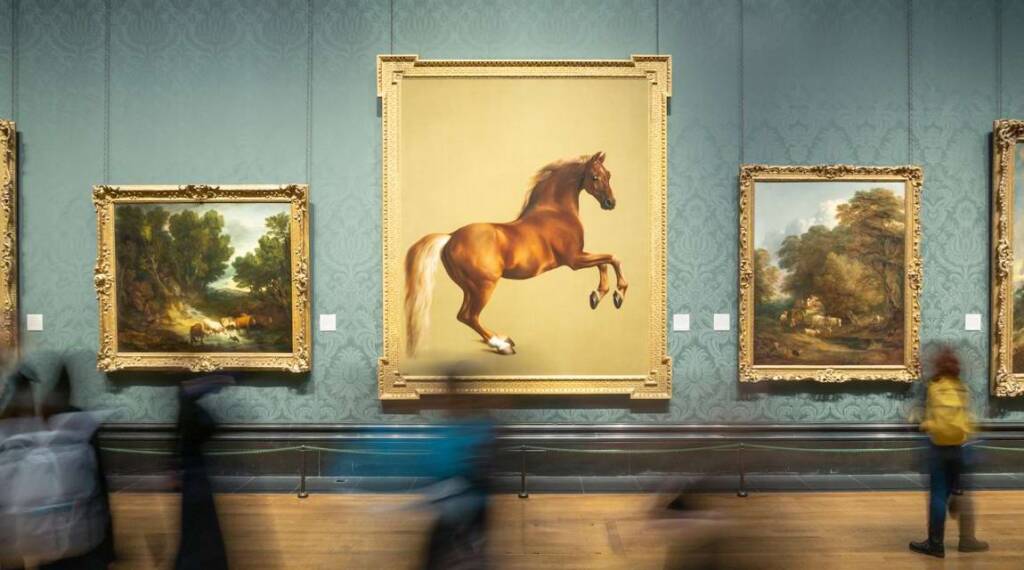
The curation of an arts gallery plays a crucial role in creating an environment that inspires creativity and encourages artistic exploration. Curators carefully select and arrange artworks in a way that tells a story or conveys a particular theme. They consider factors such as artistic style, historical context, and the intended emotional impact on the viewer. By curating a cohesive and thought-provoking collection, arts galleries aim to transport visitors into a world of imagination and inspiration.

When curating a collection, galleries often consider the juxtaposition of different artworks. Placing contrasting pieces side by side can create a dynamic dialogue and stimulate viewers to think critically about the artworks. This approach encourages visitors to explore the connections between different art forms and appreciate the diversity of artistic expression.

Additionally, galleries often incorporate interactive elements into their exhibitions to engage visitors on a deeper level. For example, some galleries provide audio guides or multimedia installations that offer additional information and insights into the artworks. These interactive elements enhance the visitor experience by providing a more immersive and educational journey through the gallery.

Moreover, arts galleries frequently collaborate with artists, scholars, and experts to curate special exhibitions or thematic displays. These collaborations bring together different perspectives and expertise, resulting in exhibitions that challenge traditional notions of art and inspire new ways of thinking. By showcasing groundbreaking and innovative works, galleries push the boundaries of artistic expression and encourage visitors to do the same.

Exploring different art mediums and styles in galleries

Arts galleries are a treasure trove of artistic mediums and styles, offering visitors the opportunity to explore a wide range of creative expressions. From traditional paintings and sculptures to contemporary installations and digital art, galleries showcase the diversity of artistic mediums and the evolution of artistic styles throughout history.

In traditional galleries, you can find masterpieces created with oil paints, watercolors, or acrylics. These paintings often depict scenes from everyday life, landscapes, or portraits. The skillful use of colors, brushstrokes, and composition in these artworks can evoke a wide range of emotions and transport viewers to different worlds.

Sculptures, on the other hand, allow artists to work with three-dimensional forms and materials such as marble, bronze, or clay. The tactile nature of sculptures invites viewers to engage with the artwork on a physical level, exploring its contours and textures. Sculptures can range from realistic representations of the human form to abstract and conceptual pieces that challenge traditional notions of art.

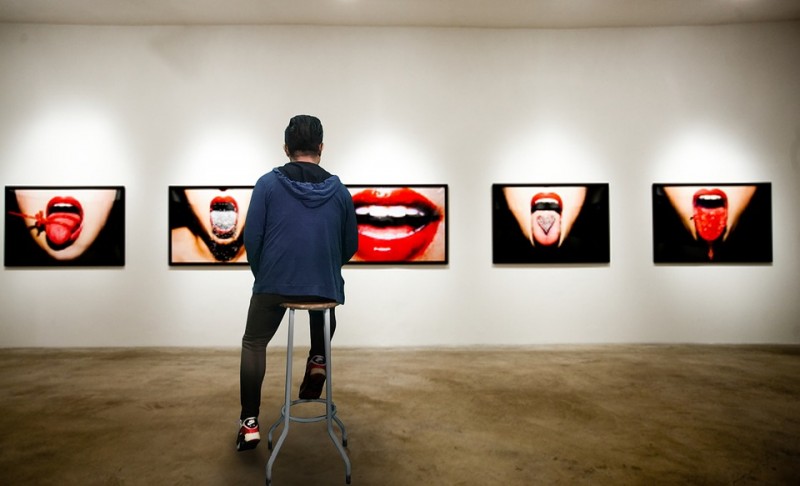
Contemporary art galleries push the boundaries of artistic expression by showcasing innovative mediums and styles. Installations, for example, create immersive environments that combine various elements such as sculptures, videos, and sound. These installations often invite viewers to interact with the artwork, blurring the boundaries between the observer and the observed.

Digital art, a relatively new medium, uses technology to create interactive and dynamic artworks. From digital paintings to virtual reality experiences, digital art challenges traditional notions of art by incorporating elements of interactivity and multimedia.

Galleries that focus on specific art movements or styles provide visitors with a deeper understanding of the evolution of art. For example, galleries dedicated to impressionism exhibit works that capture the essence of light and atmosphere, while galleries focused on abstract expressionism showcase artworks that explore emotions and the subconscious.

By exploring different art mediums and styles in galleries, you can broaden your artistic horizons and discover new forms of creative expression. These encounters can inspire you to experiment with different techniques and mediums in your own artistic practice, leading to personal growth and artistic development.

Interactive exhibits and activities in arts galleries

In an effort to engage and captivate visitors, many arts galleries have embraced interactive exhibits and activities. These interactive elements enhance the visitor experience by providing opportunities for active participation and deeper engagement with the artworks.

One popular interactive feature is the use of touchscreens or tablets that provide additional information about the artworks. These devices allow visitors to access details about the artist, the inspiration behind the artwork, and even videos of the creative process. By providing this extra layer of information, galleries empower visitors to delve deeper into the artistic journey and gain a better understanding of the artworks.

Some galleries also offer interactive exhibits that allow visitors to create their own art. These exhibits provide materials and tools, such as paints, brushes, or clay, for visitors to experiment with and unleash their creativity. This hands-on approach not only fosters a sense of ownership and connection with the artworks but also encourages visitors to explore their own artistic abilities.

Additionally, galleries often organize workshops or classes where visitors can learn new artistic techniques or engage in art-related activities. These workshops may be led by artists or experts in specific artistic mediums, providing visitors with valuable insights and guidance. Participating in these workshops allows individuals to develop their artistic skills, gain confidence in their abilities, and connect with others who share their passion for art.

By incorporating interactive exhibits and activities, arts galleries transform from passive spaces to immersive environments that foster creativity, learning, and self-expression. These interactive elements ensure that each visit to the gallery is a unique and enriching experience, leaving visitors inspired and eager to continue their artistic journey.

Engaging with artists and their work in arts galleries

One of the unique aspects of arts galleries is the opportunity to engage directly with artists and their work. Many galleries organize artist talks, panel discussions, or Q&A sessions where visitors can interact with the creators behind the artworks. These interactions provide valuable insights into the artistic process, the inspiration behind the artworks, and the challenges artists face.

Engaging with artists not only deepens your understanding of their work but also allows you to build personal connections and establish relationships within the art community. By interacting with artists, you can gain a deeper appreciation for their creative vision, learn about their techniques, and even acquire their artworks directly from the source.

In addition to formal events, some galleries offer residency programs where artists live and work within the gallery space for a specific period. These residency programs provide visitors with the opportunity to witness the artistic process firsthand, as artists create new works in real-time. Interacting with resident artists allows visitors to gain insights into their creative journey, ask questions, and witness the evolution of artworks from conception to completion.

Engaging with artists and their work in arts galleries is a unique and enriching experience that offers a deeper connection to the art world. These interactions can inspire and motivate you in your own artistic endeavors, as you learn from established artists and gain a better understanding of their creative process.

How arts galleries foster a sense of community and collaboration

Arts galleries are not just exhibition spaces; they often serve as hubs of creativity and centers of community engagement. These galleries foster a sense of community by bringing together artists, art enthusiasts, and the general public, creating a space for dialogue, collaboration, and shared experiences.

One way in which galleries foster community is by organizing group exhibitions that feature works by multiple artists. These exhibitions provide a platform for emerging artists to showcase their talents and gain exposure. By bringing together artists from diverse backgrounds and artistic styles, galleries create an environment that encourages dialogue and collaboration between artists themselves and with the audience.

Furthermore, galleries frequently organize events such as art fairs, auctions, or fundraisers that attract a wide range of individuals interested in art. These events not only provide opportunities for artists to showcase and sell their work but also create a sense of excitement and social interaction within the art community. Attending these events allows individuals to connect with like-minded individuals, expand their network, and discover new artists and artistic styles.

Many galleries also serve as educational spaces by offering art classes, workshops, or lectures. These educational programs provide individuals of all ages and skill levels with opportunities to learn new artistic techniques, explore different mediums, and engage in creative activities. By offering these educational resources, galleries empower individuals to develop their artistic skills, deepen their appreciation for art, and foster a lifelong love for creativity.

Moreover, arts galleries often collaborate with other cultural institutions, such as museums, theaters, or music venues, to create interdisciplinary exhibitions or events. These collaborations bridge the gap between different art forms and encourage the exploration of new artistic territories. By fostering collaboration between artists and institutions, galleries contribute to the growth and vibrancy of the local arts scene.

Through their various initiatives, arts galleries create a sense of community and collaboration that transcends the physical space of the gallery. These spaces become catalysts for creativity, innovation, and social interaction, fostering a supportive environment for artists and art enthusiasts alike.

Tips for making the most of your visit to an arts gallery

Visiting an arts gallery can be a transformative experience, but it’s important to approach your visit with intention and an open mind. Here are some tips to make the most of your gallery visit:

1. Research before your visit: Take the time to research the gallery and its current exhibitions. Familiarize yourself with the artists and their work to better appreciate the artworks on display. Understanding the context and background of the artworks can enhance your overall gallery experience.

2. Take your time: Allow yourself ample time to explore the gallery and engage with the artworks. Take a moment to observe each artwork, paying attention to the details, colors, and textures. Allow the artworks to evoke emotions and spark your imagination.

3. Ask questions: Don’t be afraid to ask questions or seek additional information from gallery staff or artists themselves. Engaging in conversation can deepen your understanding of the artworks and provide insights that you may have missed otherwise.

4. Embrace different perspectives: Approach each artwork with an open mind and consider different interpretations. Art is subjective, and each viewer may have a unique experience or emotional response to the same artwork. Embrace the diversity of opinions and perspectives within the gallery space.

5. Take notes or sketch: If you feel inspired by a particular artwork, consider taking notes or sketching your impressions. This personal reflection can help you remember your thoughts and ideas when you return to your own creative practice.

6. Engage with interactive elements: Take advantage of any interactive exhibits or activities offered by the gallery. These elements are designed to enhance your experience and provide opportunities for deeper engagement with the artworks.

7. Reflect and discuss: After your visit, take some time to reflect.

How Hanging Systems Can Boost Sales and Attract Customers

How hanging systems can boost sales and attract customers


Revolutionising Retail Displays

In today’s fast-paced retail industry, standing out from the competition is crucial. The traditional approach to retail displays is no longer enough to captivate customers and drive sales. That’s where hanging systems come in, revolutionizing the way retailers showcase their products. These innovative systems offer a unique and eye-catching way to display merchandise, creating a visually stunning shopping experience that attracts customers and encourages them to make a purchase. From clothing stores to supermarkets, hanging systems can be tailored to suit any retail environment, maximizing the use of space and creating a seamless shopping journey. In this article, we will explore how hanging systems can transform your retail displays, boost sales, and ultimately take your business to new heights. Get ready to discover the power of these game-changing solutions that are reshaping the retail landscape.

Benefits of using hanging systems in retail displays

Hanging systems offer a range of benefits that can significantly impact the success of your retail displays. Firstly, they maximize the use of vertical space, allowing you to make the most of your store’s layout. By utilizing the walls and ceiling, you can create additional display areas without cluttering the floor space. This not only gives your store a more open and inviting feel but also allows you to showcase a larger variety of products.

Secondly, hanging systems provide a flexible and customizable solution for displaying merchandise. With various hooks, rails, and shelves, you can easily rearrange and adapt your displays to suit your changing inventory or promotional campaigns. This versatility enables you to keep your displays fresh and engaging, which is essential for attracting repeat customers.
Another advantage of hanging systems is their ability to draw attention to specific products or areas within your store. By strategically placing eye-catching displays at key locations, you can guide customers towards high-margin items or new arrivals. The visual impact of these displays, combined with their accessibility, encourages customers to explore and browse, increasing the chances of making a purchase.

Examples of successful retail displays using hanging systems

To better understand the impact of hanging systems on retail displays, let’s take a look at some successful examples. One notable example is clothing retailer Zara, which is known for its visually stunning displays. Zara uses hanging systems to showcase their latest collections, creating an immersive shopping experience. By suspending garments from the ceiling on individual hangers, they create a sense of movement and dynamism, making it impossible to walk past without being drawn in. This approach not only enhances the visual appeal of the store but also allows customers to easily browse and touch the items, ultimately leading to increased sales.

Another example is Whole Foods Market, a supermarket chain that utilizes hanging systems to highlight their fresh produce. By suspending colorful fruits and vegetables from the ceiling, they create a vibrant and inviting atmosphere that appeals to health-conscious shoppers. This unique display not only attracts customers but also communicates the store’s commitment to quality and freshness, ultimately driving sales in the produce department.

How hanging systems can enhance visual merchandising

Visual merchandising plays a crucial role in retail displays, as it influences customers’ perception of your brand and products. Hanging systems offer numerous opportunities to enhance your visual merchandising efforts. By utilizing different levels and heights, you can create a dynamic and visually interesting display that catches the customer’s eye. This adds depth and dimension to your store, making it more visually appealing and engaging.

Additionally, hanging systems allow you to incorporate various lighting techniques to further enhance your displays. By strategically placing spotlights or adjustable track lighting, you can highlight specific products or create a focal point in your store. This not only draws attention to key items but also creates a welcoming and inviting ambiance, encouraging customers to spend more time exploring your offerings.

Furthermore, hanging systems offer the flexibility to incorporate signage and branding elements into your displays. By utilizing hanging frames or display boards, you can communicate product information, promotions, or brand messages effectively. This not only adds a professional touch to your displays but also helps customers make informed decisions, leading to increased sales.

Factors to consider when choosing hanging systems for retail displays

When selecting hanging systems for your retail displays, several factors should be taken into consideration. Firstly, it’s essential to assess the weight-bearing capacity of the system. Depending on the type of merchandise you plan to display, you need to ensure that the system can support the weight without compromising safety. This is particularly important for heavier items such as furniture or electronics.

Secondly, consider the aesthetics of the hanging system. It should align with your store’s overall design and brand identity. Whether you opt for sleek and minimalist designs or more ornate and decorative options, the hanging system should complement the visual theme of your store. This consistency in design creates a cohesive and memorable shopping experience for your customers.
Another factor to consider is the ease of installation and maintenance. Choose a hanging system that is easy to install and allows for quick and hassle-free updates or changes. This ensures that your displays can be modified as needed, saving you time and effort in the long run.

Tips for effective implementation of hanging systems in retail displays

To ensure the successful implementation of hanging systems in your retail displays, consider the following tips:

1. Plan your displays strategically: Before installing the hanging system, carefully plan the layout and placement of your displays. Consider the flow of foot traffic and the areas where customers are most likely to spend time. By strategically positioning your displays, you can optimize customer engagement and maximize sales opportunities.

2. Create a cohesive visual theme: Ensure that your hanging systems, signage, and displays work together to create a cohesive visual theme that reflects your brand identity. Consistency in design and aesthetics helps to reinforce your brand image and creates a memorable shopping experience for customers.

3. Rotate and refresh your displays regularly: To keep customers engaged and encourage repeat visits, regularly rotate and refresh your displays. Highlight new arrivals, seasonal items, or limited-time promotions to create a sense of urgency and excitement. This not only keeps your displays visually interesting but also gives customers a reason to return to your store.

4. Use lighting strategically: Lighting plays a vital role in drawing attention to your displays. Experiment with different lighting techniques to create focal points and highlight key products. Consider the colour temperature and intensity of the light to create the desired ambiance in your store.

5. Train your staff: Ensure that your staff is well-trained on how to effectively utilize the hanging systems in your displays. They should be knowledgeable about the products being displayed and understand how to engage with customers to drive sales. Regular training and communication with your team will ensure that the hanging systems are used to their full potential.

Case studies of retail businesses that have seen increased sales and customer attraction with hanging systems

Several retail businesses have experienced significant improvements in sales and customer attraction after implementing hanging systems in their displays. One such case study is the luxury fashion brand, Louis Vuitton. By incorporating hanging systems into their store design, Louis Vuitton was able to create an immersive and visually stunning shopping experience. Their displays featured suspended mannequins dressed in their latest collections, creating a sense of artistry and elegance. This unique approach not only attracted customers but also increased the average spend per customer, leading to a significant boost in sales.

Another case study is the home furnishings retailer, IKEA. By utilizing hanging systems to showcase their furniture and home accessories, IKEA was able to maximize the use of their showroom space. The hanging systems allowed them to present their products in a realistic and visually appealing manner, giving customers a clear idea of how the items would look in their own homes. This hands-on experience increased customer engagement and ultimately led to higher sales conversion rates.

Tools and resources for designing and installing hanging systems in retail displays

Designing and installing hanging systems in retail displays can be made easier with the help of various tools and resources. Here are some recommendations:

1. 3D design software: Utilize 3D design software to visualize and plan your hanging system display. This software allows you to create accurate models of your store layout and experiment with different hanging configurations before making a final decision.

2. Professional installation services: Consider hiring professional installation services specialized in hanging systems. These experts have the knowledge and experience to ensure that your hanging system is installed safely and securely, minimizing any potential risks.

3. Supplier catalogs and websites: Explore supplier catalogs and websites that offer a wide range of hanging system options. These resources provide detailed product information, specifications, and installation guidelines, helping you make informed decisions.

4. Retail design consultants: Consult with retail design consultants who specialize in visual merchandising and store layout. These professionals can provide valuable insights and recommendations based on industry best practices and trends.

Future trends in retail displays and the role of hanging systems

As the retail industry continues to evolve, new trends in retail displays are emerging. One notable trend is the integration of technology into displays, such as interactive screens or augmented reality. Hanging systems can play a significant role in supporting these advancements by providing a platform to suspend or mount the necessary technology. For example, hanging systems can be used to showcase digital signage or screens that display product information or virtual try-on experiences, enhancing customer engagement and driving sales.

Another future trend is the focus on sustainability and eco-friendly displays. Hanging systems made from recycled materials or those that can be easily repurposed align with this trend, catering to environmentally conscious customers. By incorporating sustainable hanging systems into your displays, you not only contribute to a greener planet but also appeal to a growing segment of eco-minded consumers.

Conclusion: Embracing the power of hanging systems to revolutionize retail displays

In conclusion, hanging systems offer a game-changing solution for retail displays, revolutionizing the way products are showcased and driving sales. By maximizing vertical space, providing flexibility, and creating visually stunning displays, hanging systems attract customers and enhance the shopping experience. When choosing a hanging system, consider factors such as weight-bearing capacity, aesthetics, and ease of installation. Implementing hanging systems strategically, rotating displays, and using lighting effectively can further enhance their impact. Real-world case studies demonstrate the positive effects of hanging systems on sales and customer attraction. Utilize tools, resources, and professional services to design and install hanging systems successfully. As future trends emerge, hanging systems will continue to play a vital role in retail displays, supporting technological advancements and promoting sustainability. Embrace the power of hanging systems and revolutionize your retail displays to take your business to new heights.

Illuminating Techniques to Showcase Your Work

illuminating techniques to showcase your work


Brighten Up Your Art

Are you an artist looking for innovative ways to bring your artwork to life? Do you want to captivate your audience and make your creations stand out from the crowd? Look no further! In this guide, we will introduce you to a world of illuminating techniques that will add a whole new dimension to your art. From using backlighting to create a mesmerizing glow, to incorporating LED lights for a modern and dynamic effect, we have got you covered. Discover how different lighting techniques can enhance the details, colors, and textures of your work, making it truly shine. Whether you are a painter, sculptor, or photographer, these illuminating techniques will take your art to the next level and leave a lasting impression on viewers. So, let’s dive in and brighten up your art like never before!

Importance of Proper Lighting in Showcasing Artwork

Lighting plays a crucial role in showcasing artwork. It has the power to transform how your art is perceived, highlighting its unique qualities and creating a captivating ambiance. Proper lighting can enhance the colors, textures, and details of your work, making it more visually appealing and engaging. On the other hand, poor lighting can diminish the impact of your art, hiding its true potential and leaving viewers unimpressed. That’s why it is essential to understand the different lighting techniques available and how they can be used to showcase your art in the best possible light.

When considering lighting for your artwork, it is important to strike a balance between functionality and aesthetics. The lighting should not only illuminate your art but also create a visually pleasing environment that complements the overall theme and style of your work. Whether you prefer a traditional gallery setup or a more unconventional display, the right lighting can make all the difference. Let’s explore some illuminating techniques that will help you bring out the best in your art.

Natural Lighting Techniques for Art Display

One of the most cost-effective and visually pleasing ways to illuminate your artwork is by utilizing natural lighting. Natural light has a unique quality that can bring out the true colors and textures of your art, creating a vibrant and organic feel. Here are a few techniques to incorporate natural lighting into your art display:

1. Positioning: Consider the placement of your artwork in relation to windows and sources of natural light. Positioning your art in a way that allows the light to hit it at an angle can create interesting shadows and highlights, enhancing the overall visual impact.

2. Diffusion: If direct sunlight is too harsh for your artwork, you can diffuse the light by using sheer curtains or blinds. This softens the light and prevents any harsh shadows or reflections that may distract from your art.

3. Time of Day: Experiment with different times of the day to see how the natural light changes the appearance of your artwork. The warm, golden tones of the morning or evening light can create a serene and inviting atmosphere, while the midday light can bring out the vibrant colors and textures.

By harnessing the power of natural light, you can create a dynamic and ever-changing display that showcases your art in a unique and captivating way.

Artificial Lighting Options for Highlighting Artwork

While natural lighting can be beautiful, it may not always be practical or consistent. That’s where artificial lighting comes in. Artificial lighting allows you to have complete control over the intensity, color temperature, and direction of light, ensuring that your artwork is showcased in the best possible way. Here are some popular artificial lighting options for highlighting artwork:

1. Track Lighting: Track lighting is a versatile option that allows you to adjust the direction and focus of light. By installing track lights on the ceiling or walls, you can easily highlight specific areas or pieces of art. This type of lighting is commonly used in galleries and museums for its flexibility.

2. Spotlights: Spotlights are a great way to draw attention to a particular artwork or create a focal point in your display. These focused beams of light can add drama and depth to your art, emphasizing its details and textures.

3. LED Lights:LED lights have become increasingly popular in art illumination due to their energy efficiency, longevity, and versatility. LED strips, panels, or spotlights can be easily installed behind or around your artwork to create a stunning visual effect. LED lights also come in a variety of colors, allowing you to experiment with different lighting schemes to suit your artistic vision.

By using artificial lighting options, you can have full control over the lighting conditions and create a captivating display that showcases your art in the best possible light.

Accent Lighting Techniques to Create a Focal Point

Creating a focal point in your art display is essential to draw the viewer’s attention and create a visually appealing composition. Accent lighting techniques can help you achieve this by highlighting specific areas or pieces of art. Here are a few techniques to consider:

1. Picture Lights: Picture lights are small, focused light fixtures that are mounted above or below a piece of artwork. These lights create a spotlight effect, drawing attention to the art and adding a touch of elegance. Picture lights are often used in traditional and formal settings to showcase paintings or photographs.

2. Wall Washing: Wall washing involves placing lights at a distance from the wall and directing the light towards it. This technique creates a soft and even illumination, highlighting the entire wall and the art displayed on it. Wall washing is commonly used in gallery settings to create a visually cohesive and immersive experience.

3. Uplighting: Uplighting involves placing lights at the base of your artwork and directing the light upwards. This technique creates a dramatic effect, emphasizing the textures and three-dimensional qualities of your art. Uplighting is particularly effective for sculptures and installations, as it adds depth and dimension to the artwork.

By incorporating accent lighting techniques, you can create a visually stunning display that guides the viewer’s gaze and enhances the overall impact of your art.

Backlighting Techniques to Add Depth and Dimension

Backlighting is a powerful technique that can add depth, dimension, and a mesmerizing glow to your artwork. By placing a light source behind your art, you can create a halo effect that outlines the edges and brings your artwork to life. Here are a few backlighting techniques to consider:

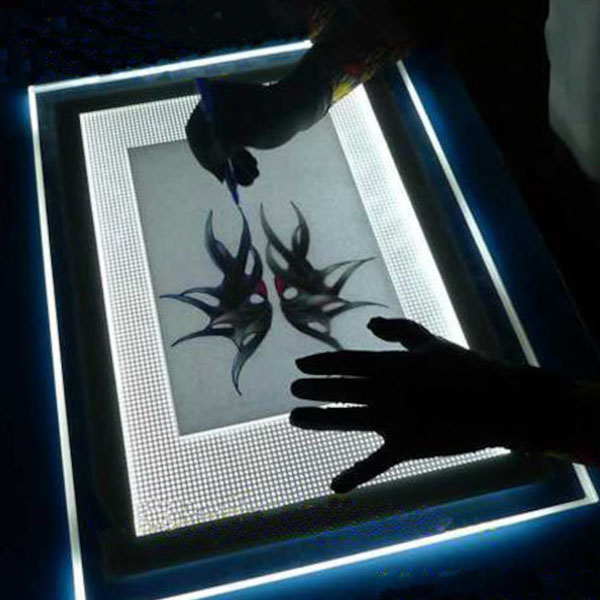
1. Lightboxes: Lightboxes are translucent panels with built-in lights that can be placed behind your artwork. These panels evenly distribute light, creating a soft and diffused glow. Lightboxes are particularly effective for transparent or translucent artworks such as stained glass or photography prints.

2. Silhouetting: Silhouetting involves placing a light source behind your art to create a striking contrast between the artwork and the background. This technique works particularly well with artworks that have interesting shapes or intricate details, as it highlights their contours and creates a sense of depth.

3. Shadow Play: By strategically placing lights at different angles behind your artwork, you can create captivating shadows that add a layer of intrigue and mystery. Shadow play can be used to emphasize the textures and details of your art, making it more visually engaging.

Backlighting techniques can transform your artwork into a captivating and immersive experience, adding depth, dimension, and a touch of magic.

Lighting Considerations for Different Types of Artwork

Each type of artwork has its own unique characteristics and lighting requirements. Understanding these considerations will help you choose the right lighting techniques to showcase your art in the best possible way. Let’s explore some lighting considerations for different types of artwork:

1. Paintings: Paintings can vary in terms of style, medium, and surface texture, all of which affect how they interact with light. For example, oil paintings with glossy surfaces may require different lighting techniques than matte acrylic paintings. It is important to consider the reflective properties of your paintings and adjust the lighting accordingly to minimize glare and reflections.

2. Sculptures: Sculptures come in various forms and materials, each requiring specific lighting techniques to bring out their unique qualities. Consider the shape, texture, and material of your sculptures when choosing lighting options. Experimenting with different lighting angles and intensities can help you highlight the contours and details of your sculptures.

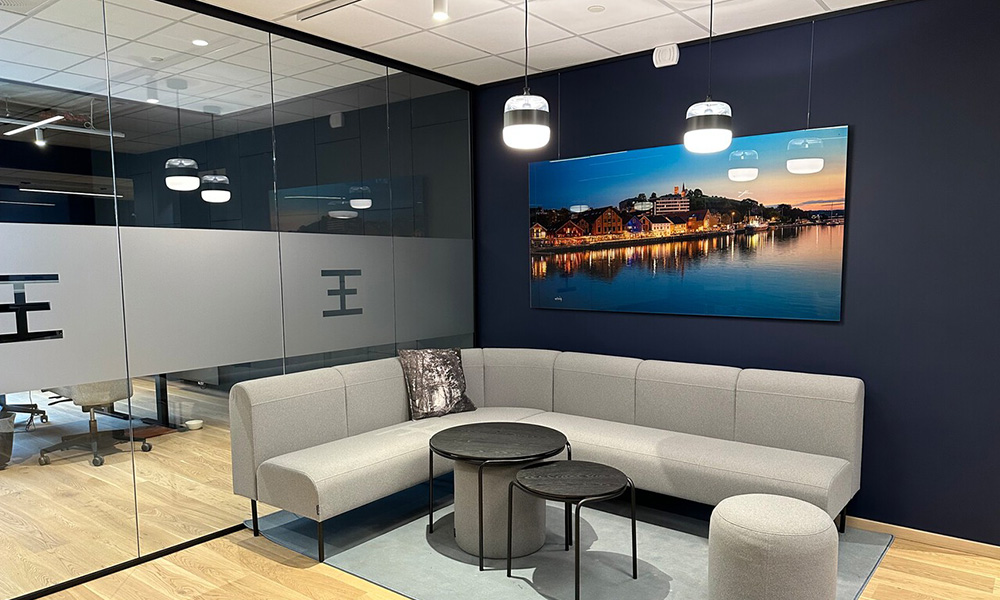
3. Photography: Photography prints and artworks require careful consideration of lighting to ensure accurate colour reproduction and clarity. Avoid harsh lighting that can create unwanted reflections or distort colors. LED lights with a high color rendering index (CRI) are recommended for photography displays, as they provide accurate color representation.

By understanding the lighting considerations specific to your artwork, you can ensure that your art is showcased in its best light, allowing viewers to fully appreciate its beauty and intricacies.

Lighting Fixtures and Equipment Recommendations

Choosing the right lighting fixtures and equipment is essential to achieving the desired lighting effects for your artwork. Here are some recommendations to help you get started:

1. Track Lighting Systems: When it comes to track lighting, consider investing in a high-quality track lighting system that allows for easy adjustability and customisation. Look for fixtures that offer flexible positioning, beam angle adjustability, and compatibility with different types of bulbs.

2. LED Strips and Panels: LED strips and panels are versatile lighting options that can be easily installed behind or around your artwork. Look for LED lights with a high CRI (color rendering index) to ensure accurate color representation. Additionally, opt for dimmable LED lights to have complete control over the intensity of the light.

3. Picture Lights: When choosing picture lights, look for fixtures that are adjustable and provide even illumination. Consider the size and weight of your artwork to ensure that the picture light is suitable for your specific needs. LED picture lights are a popular choice due to their efficiency and longevity.

4. Lightboxes: If you are interested in backlighting your artwork, consider investing in a high-quality lightbox. Look for lightboxes that offer even illumination, adjustable brightness, and a sturdy frame to ensure longevity.

By investing in the right lighting fixtures and equipment, you can achieve the desired lighting effects for your artwork, creating a visually stunning display.

DIY Lighting Solutions for Artists on a Budget

If you are on a budget or enjoy a hands-on approach, there are several DIY lighting solutions that you can explore. Here are a few ideas:

1. DIY Lightbox: Create your own lightbox by using a translucent material such as frosted acrylic or tracing paper and installing LED strips behind it. This DIY solution can be easily customized to fit the size of your artwork.

2. Upcycled Lighting: Look for second-hand or discarded light fixtures that you can repurpose for your art display. With a little creativity, you can transform old lamps, chandeliers, or even Christmas lights into unique lighting fixtures for your artwork.

3. Natural Light Manipulation: Experiment with different materials and techniques to manipulate natural light. For example, you can use sheer curtains, colored gels, or reflective surfaces to create interesting lighting effects without investing in expensive equipment.

DIY lighting solutions not only offer a cost-effective alternative but also allow you to add a personal touch to your art display. Get creative and explore different materials and techniques to achieve the desired lighting effects on a budget.

Showcasing Your Illuminated Artwork: Exhibition and Gallery Tips

Now that you have learned about various illuminating techniques and lighting considerations, it’s time to showcase your illuminated artwork in an exhibition or gallery setting. Here are some tips to help you create an engaging and visually stunning display:

1. Plan the Layout: Before setting up your exhibition, carefully plan the layout of your artwork and lighting fixtures. Consider the flow of the space, the size and dimensions of your artwork, and how the lighting will enhance each piece. Aim for a cohesive and visually pleasing arrangement that allows viewers to appreciate each artwork individually as well as part of the overall display.

2. Create Zones: If you have a large collection of artwork, consider creating different zones within your exhibition space. Each zone can have its own lighting scheme, creating a dynamic and immersive experience for viewers. For example, you can have a zone dedicated to backlit artwork, another for sculptures with accent lighting, and so on.

3. Experiment with Angles and Intensities: Don’t be afraid to experiment with different lighting angles and intensities to create the desired visual impact. Adjusting the lighting can completely change the mood and atmosphere of your exhibition, so take the time to fine-tune the lighting setup.

4. Consider Ambient Lighting: In addition to highlighting your artwork, consider the overall ambient lighting of the exhibition space. The general lighting should complement your artwork and create a comfortable and inviting atmosphere for viewers. Avoid harsh or overly bright lighting that can detract from the art.

5. Provide Information: Display artist statements, descriptions, or labels near each artwork to provide viewers with context and information about your art. This will enhance their understanding and appreciation of your work.

By carefully planning the layout, experimenting with different lighting techniques, and providing contextual information, you can create an engaging and visually stunning exhibition that leaves a lasting impression on viewers.

Conclusion: Enhancing Your Art with the Right Lighting Techniques

Proper lighting can transform your artwork, enhancing its colors, textures, and details, and creating a captivating experience for viewers. Whether you choose to harness the power of natural light, explore artificial lighting options, or experiment with accent and backlighting techniques, the right lighting can take your art to the next level. Consider the unique characteristics of your artwork, the mood you want to create, and the overall theme of your display when selecting lighting techniques. By investing in the right lighting fixtures and equipment, or exploring DIY solutions, you can showcase your art in the best possible light. So, go ahead and brighten up your art with illuminating techniques that will make it truly shine!

The Importance of Secure Picture Hanging

The Importance of Secure Picture Hanging


Protect Your Precious Memories

Preserving our precious memories has become more important than ever. In a world filled with digital distractions, there’s something truly special about capturing a moment and displaying it on our walls. But have you ever stopped to think about how secure your picture hanging really is? Whether it’s a family portrait or a cherished piece of art, the last thing you want is for it to come crashing down. That’s where the importance of secure picture hanging comes in. Not only does it ensure the safety of your beloved memories, but it also adds an extra layer of elegance and sophistication to your home decor. In this article, we’ll explore why secure picture hanging is crucial and provide you with some invaluable tips to ensure your precious memories stay exactly where they belong – beautifully displayed for all to admire. So, let’s dive in and discover how you can protect your memories with confidence!

The Significance of Hanging Pictures Securely

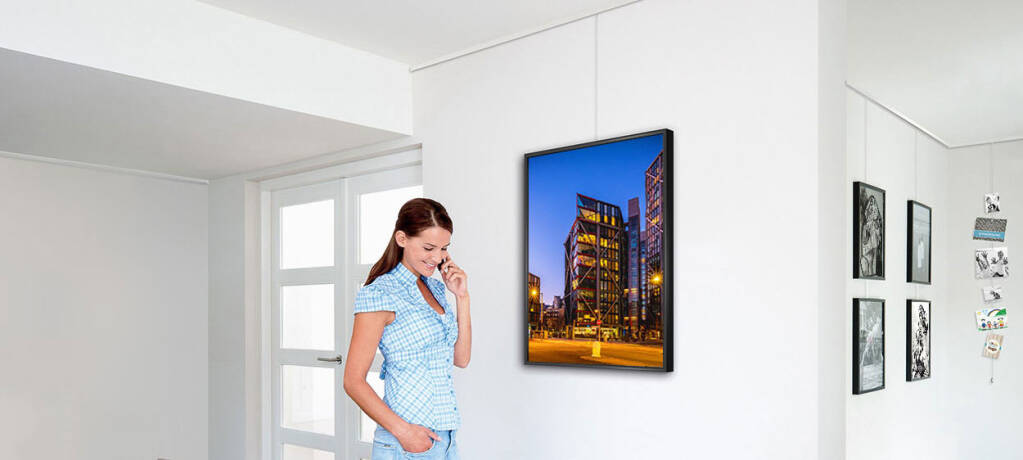
Proper picture hanging also adds a touch of sophistication to your home decor. When pictures are hung securely and at the right height, they become an integral part of your space, enhancing its overall ambiance. Whether you have a collection of family portraits or a gallery of artwork, secure picture hanging elevates the visual appeal of your home and creates a harmonious environment that reflects your personal style.

Common Risks of Improperly Hung Pictures

Improperly hung pictures can also cause damage to your walls. When a picture falls, it can leave behind unsightly holes, cracks, or even chunks of plaster or drywall. Not only does this damage require costly repairs, but it also diminishes the aesthetic appeal of your home. Additionally, if the falling picture damages other objects in its path, such as furniture or other artwork, the financial impact can be substantial.

Lastly, there is the risk of personal injury. If a picture frame falls and someone is in its path, they can be seriously hurt. Picture frames can be heavy, and the force of impact can cause cuts, bruises, or even broken bones. By ensuring your pictures are securely hung, you minimize the risk of accidents and protect the well-being of your loved ones and guests.

Protecting Your Precious Memories: Why Secure Picture Hanging is Crucial

Now that we are aware of the risks associated with improperly hung pictures, let’s delve into why secure picture hanging is crucial for protecting your precious memories. Firstly, secure picture hanging ensures the longevity of your artwork or photographs. By using the right hardware and following proper hanging techniques, you can prevent unnecessary wear and tear on your pictures. This means your memories will be preserved for years to come, allowing you to pass them down through generations.

Secure picture hanging also allows you to enjoy your memories without worry or stress. When you know your pictures are securely hung, you can appreciate them fully, knowing they are safe and protected. This peace of mind is invaluable, as it allows you to focus on the joy and emotions your pictures evoke, rather than constantly fretting about their stability.

Furthermore, secure picture hanging enhances the overall aesthetic of your space. When pictures are hung securely and at the right height, they become focal points that draw the eye and create a visual impact. By implementing proper picture hanging techniques, you can transform your walls into a gallery-like display, showcasing your memories in the best possible light. Whether you have a single statement piece or a collection of pictures, secure hanging elevates your home decor to a new level of elegance and sophistication.

How to Choose the Right Picture Hanging Hardware

Choosing the right picture hanging hardware is essential for ensuring secure and stable picture hanging. The type of hardware you need will depend on various factors, such as the weight and size of the picture, the type of wall you have, and the location where the picture will be hung. Here are some essential hardware options to consider:

1. Picture Hooks: Picture hooks are designed to hold the weight of a picture securely. They come in various sizes and styles, so it’s important to choose one that matches the weight of your picture. When selecting a picture hook, consider the weight rating indicated on the packaging to ensure it can support your picture adequately.

2. Wall Anchors: Wall anchors are useful when hanging pictures on drywall or plaster walls. They provide extra support and prevent the picture from pulling away from the wall. There are different types of wall anchors available, such as expansion anchors and toggle bolts. Choose the one that suits your wall type and the weight of your picture.

3. Wire and D-rings: If your picture has a wire on the back, you’ll need D-rings or strap hangers to attach the wire securely to the picture frame. These hardware options distribute the weight evenly and ensure the picture hangs straight on the wall.

4. Adhesive Hooks: Adhesive hooks are a great option for lightweight pictures or areas where you don’t want to drill holes. They stick to the wall and can be easily removed without leaving any marks or damage. However, make sure to choose adhesive hooks that are specifically designed for picture hanging and can support the weight of your picture.

Remember to consider the weight and size of your picture when choosing hardware. If you’re unsure, it’s always better to opt for stronger hardware to ensure the picture is securely hung.

Step-by-Step Guide to Securely Hang Pictures

Now that we’ve covered the importance of secure picture hanging and the right hardware options, let’s walk through a step-by-step guide to help you hang your pictures securely.

1. Choose the Right Location: Start by selecting the location where you want to hang your picture. Consider factors such as lighting, wall space, and the overall aesthetic of the room. Once you’ve chosen the spot, measure the wall to determine the ideal height and placement for your picture.

2. Prepare the Wall: Before hanging your picture, ensure the wall surface is clean and free from dust or debris. This will help the picture hanging hardware adhere properly and prevent any damage to the wall.

3. Mark the Wall: Use a pencil to mark the desired height and position of your picture on the wall. If you’re hanging multiple pictures, consider using a level or a measuring tape to ensure they are aligned correctly.

4. Install the Hardware: Depending on the type of hardware you’re using, follow the manufacturer’s instructions to install the picture hooks, wall anchors, or adhesive hooks. Make sure they are securely attached to the wall and can support the weight of your picture.

5. Attach the Picture: If your picture has D-rings or strap hangers, attach them securely to the back of the frame. If your picture has a wire, thread it through the D-rings or strap hangers, and ensure it is taut. Double-check that the picture is level before proceeding.

6. Hang the Picture: Carefully lift the picture and hang it on the installed hardware. Take a step back and ensure the picture is level and centered. If adjustments are needed, gently reposition the picture until it is perfectly aligned.

7. Test the Stability: Give the picture a gentle tug to ensure it is securely hung. If it feels loose or unstable, recheck the hardware and make any necessary adjustments.,/p>

By following these steps, you can confidently hang your pictures securely and enjoy them without worrying about accidents or damage.

Tips for Maintaining Secure Picture Hanging

Once your pictures are securely hung, it’s important to maintain their stability over time. Here are some tips to help you maintain secure picture hanging:

1. Regularly Inspect the Hardware: Periodically check the picture hanging hardware to ensure it is still securely fastened to the wall. Over time, screws may become loose, adhesive hooks may weaken, or wall anchors may need to be replaced. By inspecting the hardware regularly, you can address any issues before they compromise the stability of your pictures.

2. Avoid Excessive Weight: Be mindful of the weight of the pictures you hang. If you have a particularly heavy or large picture, consider using additional hardware or consulting a professional picture hanging service to ensure it is securely supported.

3. Avoid Hanging Pictures in High-Traffic Areas: If possible, avoid hanging pictures in areas where they are likely to be bumped or brushed against frequently. High-traffic areas increase the risk of accidents, so it’s best to choose locations where the pictures are less likely to be disturbed.

4. Use Wall Anchors for Heavy Pictures: When hanging heavy pictures, always use wall anchors for added stability. Wall anchors distribute the weight and prevent the picture from pulling away from the wall, reducing the risk of accidents.

5. Avoid Moisture and Direct Sunlight: Moisture and direct sunlight can damage pictures over time. Avoid hanging pictures in areas prone to humidity, such as bathrooms, or in direct sunlight, as it can cause fading or warping. If you must hang pictures in these areas, consider using protective glass or frames to minimise the impact.

By following these maintenance tips, you can ensure your pictures remain securely hung and protected for years to come.

The Role of Professional Picture Hanging Services

While hanging pictures yourself can be a rewarding DIY project, there are instances where it’s best to seek the expertise of professional picture hanging services.

Professional picture hangers have the experience and knowledge to handle various types of pictures and wall surfaces, ensuring a secure and visually pleasing result. Here are some situations where professional services may be beneficial:

1. Large or Heavy Pictures: If you have large or heavy pictures that require specialized hardware or installation techniques, professional picture hanging services can provide the expertise needed to securely hang them.

2. High Ceilings or Difficult-to-Reach Areas: Hanging pictures in areas with high ceilings or difficult-to-reach spots can be challenging and potentially dangerous. Professional picture hangers have the equipment and skills necessary to safely navigate these spaces and ensure your pictures are hung securely.

3. Valuable or Fragile Artwork: If you have valuable or fragile artwork that requires delicate handling and special care, professional picture hanging services can provide the necessary expertise to protect and showcase your pieces properly.

4. Time Constraints: If you’re short on time or simply prefer to leave the task to professionals, hiring a picture hanging service can save you time and ensure your pictures are hung securely and efficiently.

While professional picture hanging services come at an additional cost, they offer peace of mind and guarantee a professional finish that enhances the overall look and safety of your home decor.

DIY vs. Professional Picture Hanging: Pros and Cons

Deciding between DIY picture hanging and professional services ultimately depends on your preferences, budget, and the complexity of the project. Here are some pros and cons to consider:

DIY Picture Hanging:
Pros:
– Cost-effective, especially for simple projects
– Allows for personalization and creative freedom
– Can be a rewarding and enjoyable DIY project
Cons:
– Requires research and knowledge of proper picture hanging techniques
– May involve trial and error to achieve desired results
– May not be suitable for complex or valuable artwork
Professional Picture Hanging:
Pros:
– Expertise and experience in handling various types of pictures and wall surfaces
– Ensures secure and visually pleasing results
– Saves time and eliminates the need for DIY research and trial and error
Cons:
– Additional cost compared to DIY
– May require scheduling and coordinating with the picture hanging service
– Limited personalization compared to DIY

Consider your skill level, the complexity of the project, and your budget when deciding between DIY picture hanging and professional services. Remember, the most important aspect is ensuring your pictures are hung securely and protected.

The Importance of Regular Picture Maintenance and Adjustments

Even with secure picture hanging, it’s essential to perform regular maintenance and adjustments to ensure the stability of your pictures. Over time, factors like temperature changes, humidity, and settling of the house can cause pictures to shift or become loose. Here are some maintenance tasks to consider:

1. Check for Loose Hardware: Regularly inspect the picture hanging hardware to ensure it is still securely fastened to the wall. Tighten any screws or bolts that may have become loose.

2. Level and Align: Check if your pictures are still level and aligned correctly. If they have shifted or become crooked, gently readjust them to their desired position.

3. Replace Damaged or Weak Hardware: If you notice any hardware that is damaged, weakened, or no longer providing secure support, replace it promptly to maintain the stability of your pictures.

4. Clean and Dust: Clean your pictures regularly to remove dust and debris. Use a soft cloth or a picture frame cleaning kit to gently wipe the glass or frame. Avoid using harsh chemicals or abrasive materials that may damage the picture.

By performing these maintenance tasks periodically, you can ensure your pictures remain securely hung and in optimal condition.

Conclusion: Secure Your Precious Memories with Proper Picture Hanging Techniques

In conclusion, secure picture hanging is crucial for protecting your precious memories and enhancing the aesthetic appeal of your home decor. By properly hanging your pictures, you can prevent accidents, damage to your pictures and walls, and personal injuries. Additionally, secure picture hanging allows you to fully enjoy and appreciate your memories without worry or stress.

Choose the right picture hanging hardware, follow a step-by-step guide, and implement maintenance tips to ensure your pictures are securely hung. Consider professional picture hanging services for complex projects or valuable artwork. Regularly inspect and adjust your pictures to maintain their stability over time.

Remember, your memories deserve to be showcased with confidence and elegance. Secure picture hanging ensures your precious moments stay exactly where they belong – beautifully displayed for all to admire.

How a Hanging Picture Rail System Can Elevate Your Interior Design

Picture Hanging System
picture hanging system


From ordinary to extraordinary

In the world of interior design, it’s often the small details that make the biggest impact. Picture frames carefully arranged on a wall can transform an ordinary space into something extraordinary, adding personality and style to any room. But what if there was a way to take your wall décor to the next level? Enter the hanging picture rail system – a game-changer in the world of interior design. This innovative solution not only allows you to effortlessly showcase your artwork but also provides endless possibilities for creativity and flexibility. With a hanging picture rail system, you can easily change the arrangement of your artwork without putting any additional holes in your walls. Whether you’re a minimalist looking for a sleek and modern display or a maximalist seeking a bold and eclectic gallery wall, this versatile system has got you covered. So, let’s explore how a hanging picture rail system can elevate your interior design and take your walls from ordinary to extraordinary.

Advantages of using a hanging picture rail system

A hanging picture rail system offers numerous advantages over traditional methods of hanging artwork. Firstly, it provides a versatile and flexible solution that allows you to effortlessly change the arrangement of your artwork without putting any additional holes in your walls. This is particularly beneficial for those who like to frequently update their interior design or those who enjoy seasonal decorations.

Secondly, a hanging picture rail system offers a sleek and minimalist aesthetic. Unlike traditional picture frames, which can clutter a wall and create a chaotic appearance, a hanging picture rail system provides a streamlined and cohesive look. This allows your artwork to take center stage and become the focal point of the room, rather than being overshadowed by the framing.

Lastly, a hanging picture rail system is a practical choice for those who live in rented spaces or are hesitant to put permanent holes in their walls. With this system, you can easily install and remove the rail without leaving any traces behind. This makes it an ideal solution for those who want to personalize their space without compromising the integrity of the walls.

How a hanging picture rail system enhances interior design

A hanging picture rail system can significantly enhance your interior design by providing a unique and dynamic way to display your artwork. One of the key benefits of this system is the ability to create a gallery wall that can be easily rearranged and updated. This allows you to experiment with different arrangements and compositions, giving you the freedom to showcase your artwork in a way that best suits your style and preferences.

Additionally, a hanging picture rail system allows you to utilize the vertical space in your room, opening up new possibilities for displaying artwork. Instead of being limited to traditional wall space, you can now hang artwork from the ceiling or create innovative installations that span across different levels. This adds depth and visual interest to your interior design, making it truly unique and eye-catching.

Furthermore, a hanging picture rail system promotes a sense of balance and harmony in your space. By using a consistent method of hanging artwork throughout your home, you create a cohesive look that ties everything together. This allows your artwork to seamlessly integrate with the overall design scheme, creating a visually appealing and harmonious atmosphere.

Types of hanging picture rail systems available

When it comes to hanging picture rail systems, there are several options available to suit different needs and preferences. The most common type is a wall-mounted rail, which is installed directly onto the wall using screws or adhesive. This type of rail is versatile and can accommodate a wide range of artwork sizes and weights.

Another option is a ceiling-mounted rail, which is ideal for those who want to create a unique and dramatic display. This type of rail is installed on the ceiling and allows artwork to be suspended from above, adding a sense of movement and dynamism to your interior design.

For those who prefer a more discreet option, there are also hidden rail systems available. These rails are installed behind crown molding or other decorative elements, keeping the focus on the artwork rather than the hanging mechanism.

Choosing the right hanging picture rail system for your space

When selecting a hanging picture rail system for your space, there are several factors to consider. Firstly, you need to determine the weight and size of the artwork you plan to hang. This will help you choose a rail system that can safely support your artwork without any risk of falling or damage.

Secondly, consider the style and aesthetic of your space. Choose a rail system that complements the overall design scheme and enhances the visual appeal of your artwork. Whether you prefer a modern and sleek look or a more traditional and ornate style, there is a hanging picture rail system to suit your taste.

Lastly, consider the practicality and ease of installation. Some rail systems require professional installation, while others are designed for easy DIY installation. Consider your level of expertise and the time you are willing to invest in the installation process before making a decision.

Installation process of a hanging picture rail system

Installing a hanging picture rail system is a straightforward process that can be done by following a few simple steps. Firstly, measure and mark the desired height and length of the rail on the wall or ceiling. Use a level to ensure accuracy and straightness.

Next, depending on the type of rail system you have chosen, install the brackets or clips onto the marked spots. Make sure they are securely attached to provide a stable base for the rail.

Once the brackets or clips are in place, attach the rail onto them. Ensure that it is level and securely fastened. Test the stability by gently pulling on the rail to ensure it can support the weight of your artwork.

Finally, hang your artwork onto the rail using compatible hooks or wires. Adjust the positioning and spacing as desired until you achieve the desired arrangement.

Creative ways to display artwork using a hanging picture rail system

A hanging picture rail system offers endless possibilities for creative and innovative ways to display your artwork. Here are some ideas to inspire you:

1. Create a gallery wall: Arrange a collection of artwork in different sizes and styles on your hanging picture rail system to create a visually stunning gallery wall. Experiment with different layouts and compositions to find the perfect arrangement.
2. Mix and match: Combine different types of artwork, such as paintings, photographs, and prints, to create a dynamic and eclectic display. Play with different textures, colors, and themes to add visual interest to your space.
3. Seasonal displays: Take advantage of the flexibility of a hanging picture rail system to create seasonal displays. Switch out your artwork with different themes or colors to reflect the changing seasons and create a fresh look throughout the year.
4. Create a focal point: Use your hanging picture rail system to highlight a specific artwork or a collection of artworks. By placing them in a central position or at eye level, you can create a focal point that draws attention and adds a wow factor to your space.
5. Layered displays: Experiment with layering different pieces of artwork on your hanging picture rail system. This adds depth and dimension to your display, creating a visually dynamic and intriguing arrangement.

Maintenance and care tips for hanging picture rail systems

To ensure the longevity and functionality of your hanging picture rail system, it’s important to properly maintain and care for it. Here are some tips to keep in mind:

1. Regularly clean the rail and hooks to remove dust and dirt. Use a soft cloth or a mild cleaning solution to gently wipe them clean.
2. Check the stability of the rail and brackets periodically. Make sure they are securely fastened and show no signs of damage or wear.
3. Avoid overloading the rail with heavy artwork. Make sure to distribute the weight evenly to prevent strain on the rail and brackets.
4. Inspect the hooks and wires regularly to ensure they are in good condition. Replace any damaged or worn-out hooks or wires to maintain the safety and stability of your artwork.
5. Avoid excessive handling of the artwork. When adjusting or rearranging the display, handle the artwork with care to prevent any accidental damage.

Inspiring examples of interior designs with hanging picture rail systems

To further illustrate the transformative power of a hanging picture rail system, here are some inspiring examples of interior designs:

1. Minimalist elegance: In a sleek and modern interior, a hanging picture rail system can provide a minimalist and sophisticated display. Hang a single piece of large-scale artwork or create a simple gallery wall using black and white photographs for a timeless and elegant look.
2. Eclectic charm: For a bold and eclectic interior, a hanging picture rail system offers endless possibilities. Mix and match artwork of different styles, colors, and sizes to create a visually dynamic and vibrant display that reflects your unique personality.
3. Bohemian bliss: Embrace a bohemian-inspired interior by using a hanging picture rail system to create an organic and free-spirited display. Hang tapestries, macramé art, and woven textiles to add texture and warmth to your space.
4. Artistic showcase: If you have a collection of valuable or unique artwork, a hanging picture rail system can provide a safe and stylish way to showcase them. Install spotlights or track lighting to highlight each piece and create a gallery-like atmosphere.

Conclusion: Transforming your space with a hanging picture rail system

In conclusion, a hanging picture rail system offers a versatile and stylish solution to elevate your interior design. With its flexibility, ease of installation, and endless creative possibilities, this innovative system allows you to transform your walls from ordinary to extraordinary. Whether you’re a minimalist seeking a sleek and modern display or a maximalist looking to create a bold and eclectic gallery wall, a hanging picture rail system can help you showcase your artwork in a way that reflects your unique style and personality. So, why settle for ordinary when you can embrace the extraordinary with a hanging picture rail system?

Revolutionise Your Space

picture hanging system
Revolutionise Your Space


How a Picture Rail System Can Enhance Your Home Decor

Are you tired of traditional wall decor and looking for a unique way to enhance your home decor? Look no further than a picture rail system! This innovative and versatile solution for displaying art and photographs has been around for centuries, but has recently seen a resurgence in popularity due to its ability to revolutionize any space. With a picture rail system, you can easily swap out artwork, create a gallery wall, or even hang plants or other decorative items. Plus, it’s a great solution for renters who may not be able to make permanent changes to their walls. In this article, we’ll dive into the many benefits of a picture rail system and show you how it can take your home decor to the next level. So, get ready to transform your space and unleash your creativity with a picture rail system!

Benefits of Using Picture Rail Systems

Picture rail systems offer numerous benefits over traditional wall decor options. First and foremost, they provide a flexible and versatile way to showcase your artwork. Instead of being limited to hanging pictures in one specific spot, a picture rail system allows you to easily rearrange and switch out your art. This means you can change up your decor to match your mood, the season, or any other occasion. Plus, a picture rail system lets you display your art in a more dynamic and visually interesting way, creating a gallery-like effect.

Another benefit of a picture rail system is that it’s a great solution for renters or anyone who doesn’t want to make permanent changes to their walls. Installing a picture rail system is typically a non-invasive process that won’t damage your walls, making it a perfect solution for those who are renting or who don’t want to commit to a permanent installation. Plus, because a picture rail system is so easy to install and use, you can take it with you if you move to a new home.

Finally, picture rail systems are a great way to add a touch of elegance and sophistication to your home decor. Whether you choose a classic wood rail or a more modern metal option, a picture rail system can elevate your space and give it a more polished and cohesive look. Plus, because a picture rail system allows you to showcase your art in a more deliberate and curated way, it can help you create a more sophisticated and intentional design aesthetic.

How Picture Rail Systems Work

So, how does a picture rail system actually work? Essentially, a picture rail system consists of a rail that is installed along the top of your wall, typically just below the ceiling. This rail has a groove or channel that runs along its length, which is designed to hold a variety of hooks, wires, or other hanging devices. These hooks or wires are then used to hang your art, photographs, or other decorative items.

One of the great things about a picture rail system is that it’s incredibly flexible and adaptable. You can use it to hang anything from large paintings to small framed photos, and you can adjust the height and placement of your art as needed. Plus, because a picture rail system allows you to hang art without making holes in your walls, it’s a great solution for anyone who wants to display their art without committing to a specific layout or design.

Types of Picture Rail Systems

There are a variety of different types of picture rail systems available, each with their own unique features and benefits. Some of the most popular options include:


– Wooden picture rails:
This is the most traditional type of picture rail system, and is often used in historic or period homes. Wooden picture rails come in a variety of styles and finishes, and can be painted or stained to match your decor.
– Metal picture rails:
Metal picture rails offer a more modern and sleek look, and are a great option for contemporary or minimalist spaces. They come in a variety of finishes, including stainless steel, brass, and black.
– Adjustable picture rails:
Some picture rail systems offer an adjustable height feature, allowing you to easily change the placement of your art without having to move the entire rail.
– Built-in picture rails:
If you’re building a new home or doing a major renovation, you may want to consider installing a built-in picture rail system. This type of picture rail is integrated into the wall itself, providing a seamless and elegant look.

Choosing the Right Picture Rail System for Your Space

When choosing a picture rail system, there are a few key factors to consider. First and foremost, you’ll want to think about the style and aesthetic of your space. Do you want a classic and traditional look, or something more modern and sleek? Think about the materials and finishes that will work best with your decor, and choose a picture rail system that complements your existing design.

You’ll also want to consider the size and layout of your space. If you have a large room with high ceilings, you may want to choose a picture rail system with an adjustable height feature, allowing you to hang your art at different levels. On the other hand, if you have a smaller space, you may want to choose a picture rail system with a more minimal profile, so it doesn’t overwhelm the room.

Finally, think about the type of art or decorative items you want to hang. If you have large, heavy paintings, you’ll want to choose a picture rail system that is sturdy and can support the weight. On the other hand, if you’re hanging small framed photos or lightweight decor, you may be able to choose a more lightweight and simple picture rail system.

Installing a Picture Rail System

Installing a picture rail system is typically a straightforward and simple process, although it does require some basic DIY skills. Here’s a basic overview of the installation process:


1. Measure and mark the location where you want to install the picture rail. Typically, you’ll want to install the rail just below the ceiling, but you can adjust the height as needed.
2. Use a stud finder to locate the studs in your wall. You’ll want to install the picture rail directly into the studs to ensure it’s secure.
3. Using a level, mark a straight line along the wall where you’ll be installing the picture rail.
4. Install the picture rail brackets or clips onto the wall, making sure they’re level and evenly spaced.
5. Snap the picture rail into the brackets or clips, making sure it’s securely in place.
6. Hang your art or decorative items using the appropriate hooks or wires.

Hanging Art with a Picture Rail System

One of the great things about a picture rail system is that it allows you to hang your art in a variety of ways. Here are a few tips for hanging art with a picture rail system:

– Use a variety of hanging devices:
Depending on the size and weight of your art, you may need to use different types of hooks or wires to hang it. Make sure to choose the right hanging device for each piece of art you want to display.
– Experiment with placement:
Because a picture rail system allows you to easily move your art around, don’t be afraid to experiment with different placements and layouts. Try hanging your art at different heights or in different groupings to create a unique and visually interesting display.
– Mix and match styles: A picture rail system is a great way to showcase a variety of different types of art, from paintings to prints to photographs. Don’t be afraid to mix and match styles and mediums to create a dynamic and eclectic display.

Decorating Ideas with Picture Rail Systems

In addition to hanging art, there are a variety of other ways you can use a picture rail system to enhance your home decor. Here are a few ideas to inspire you:


– Hang plants:
A picture rail system is a great way to display your indoor plants, especially if you don’t have a lot of floor space. Hang your plants in decorative pots or macrame hangers for a boho-chic look.
– Create a gallery wall:
Use a picture rail system as the base for a gallery wall, combining art, photographs, and other decorative items to create a visually stunning display.
– Hang textiles:
A picture rail system can also be used to hang textiles, such as tapestries or decorative rugs. This is a great way to add texture and visual interest to your walls.
– Display collections:
If you have a collection of small items, like vintage postcards or figurines, use a picture rail system to display them in a creative and unique way.
– Create a seasonal display:
Use a picture rail system to create a seasonal display, hanging items like garlands, wreaths, or holiday decorations.

Maintenance and Care of Picture Rail Systems

Maintaining a picture rail system is typically a simple process. Here are a few tips to keep in mind:


– Clean the rail regularly:
Dust and debris can accumulate on the rail over time, so make sure to clean it regularly with a soft cloth or feather duster.
– Check the hanging devices:
Make sure to periodically check the hooks or wires you’re using to hang your art, and replace them if they’re showing signs of wear.
– Avoid overloading the rail:
While picture rail systems are designed to be sturdy and durable, it’s important not to overload them with too much weight. Make sure to follow the manufacturer’s guidelines for weight limits.

Conclusion

If you’re looking for a unique and versatile way to enhance your home decor, a picture rail system may be just what you need. With its flexibility, versatility, and elegant design, a picture rail system can transform any space and allow you to showcase your art and decorative items in a whole new way. Whether you’re a renter looking for a non-invasive way to decorate your walls or a homeowner looking to add a touch of sophistication to your decor, a picture rail system is a great solution. So, why not give it a try and see how it can revolutionize your space?

The best Christmas presents for artists

ARTITEQ Info Rail Display System


It can be puzzling to think of a unique and creative present for a creative person. But don’t worry – below, we’ve listed some of the best gifts for artists, whether they love drawing, painting, clay modelling, or anything else. Scan our ideas and become inspired today!

1. Pottery Starter Kit

A pottery starter kit is perfect for any beginner artist. Comprising pottery tools, clay, acrylic brushes and paints, this kit can be fantastic for date nights and cosy rainy days inside the home.

The best Christmas presents for artists


2. LED Ultra Slim Art Drawing Pad

Looking further, an LED drawing light box board enables artists to sketch on a high-quality ultra-slim pad. This pad is perfect for people who love stencilling, tattooing, designing and drawing to create artwork.

The best Christmas presents for artists


3. ARTITEQ Info Rail Display System

The ARTITEQ Info Rail display system is number one for portraying cards, photos, drawings, and even essential documents on the wall. This system prevents walls from getting damaged by blu tack or hooks and makes bringing your walls to life quick and efficient. For information on making your art wall look great with a picture hanging system, visit Picture World Hanging Store.

ARTITEQ Info Rail


4. Trimits Bee Punch Needle Kit

The Trimits Bee Punch Needle Kit provides the ideal introduction for those getting into needlework. This kit includes a wide variety of tools to help any individual get started in this practice. Indeed, there are many designs to experiment with.

The best Christmas presents for artists


5. Cozy Couch Sweater Pattern Crochet pattern

Artists who love knitting will love this knitting pattern for a couch sweater. Perfect for cold winter days, the end product of this knitting pattern will keep anyone warm and snug throughout the holiday season.

The best Christmas presents for artists


6. Ultimate Calligraphy PEN Set

Artists who love calligraphy will treasure a calligraphy set, including right-handed calligraphy pens with comforting rubber grips, nib sections, an ink converter cartridge, and twenty ink cartridges.

The best Christmas presents for artists


7. Premium Fine Taklon Mixed Media Brushes

Painters of all types will enjoy a mixed-media brush set. This set includes those who love oil, watercolour, and acrylic painting. This set incorporates a high-quality round, fan, filbert, and flat wash brushes.

The best Christmas presents for artists


8. Thick Clear Acrylic Paint Palette

A uniquely transparent artist’s palette is perfect for acrylic painting. This gift could really stand out, deviating from the traditional wooden palette. Awesome Christmas present for all creative artists. 

The best Christmas presents for artists


9. Premium Therapy Putty

As well as acting as a gift to help people relax, therapy putty can act as an artist’s bread and butter when it comes to modelling. Some artists love getting stuck in with this type of material.

The best Christmas presents for artists


10. Artist’s Apron

An apron is a more forgotten artist tool, but that doesn’t make it any less critical. You’ll want a sturdy, heavyweight cotton apron like this one with plenty of pockets for brushes and other tools.

The best Christmas presents for artists


So, there you have it. A short list of presents artists may enjoy receiving this Christmas. Hopefully, you have a better idea about what you can buy an artist you know this holiday to make them feel extra special!

How to hang picture frames like an art gallery

How to hang picture frames like an art gallery


A picture can tell a story, invoke emotion, or simply be aesthetically pleasing. Whatever the reason for hanging a picture, it is vital to do it in a way that maximizes the impact of the image.

Hanging pictures in an art gallery can be a great way to achieve this goal. The placement of pictures in this way can help to create a focal point in a room and make the space appear more orderly and inviting.

So, how do you hang pictures similar to an art gallery? There are some methods that you can use to get started. One way is to use a grid system. This involves creating a grid of evenly spaced lines on the wall using D-ring hooks. We will discuss different methods in more detail below.

Three Easy Methods

When you walk into an art gallery, the first thing that you notice is how the pictures are hung on the walls. The frames are all level with each other, and the spacing between the pictures is symmetrical.

This creates a sense of order and harmony pleasing to the eye. Following simple guidelines, you can achieve a similar look in your home.

Method 01: The Grid System

One way to achieve an art gallery look is by using a grid pattern. For this method, you will need to create an even grid of lines on the wall. Before you begin, you should gather the necessary supplies.

The tools you will need are a measuring tape, a level, a pencil, D-ring hooks, nails, royal plugs, and a rotary hammer drill. Once you have all of your supplies, you are ready to start hanging your pictures.

It will be necessary for you to take a few pictures before you can begin. The use of the same-sized frames will result in a neater appearance. You should measure and mark the centre of the wall where you intend to hang your pictures.

Decide how many rows and columns you wish to have in your grid. Depending on your picture frames, the row and column count will vary. For example, if you have eight picture frames, you need to set four pictures in the upper and four in the lower rows. This will create a 4×4 grid.

Draw the lines on the wall based on the height and width of your picture frames. It is also essential to consider the spacing between each frame. Mark the location where the D-ring hooks will be attached as well.

Make pilot holes for the nails using a rotary hammer drill. You can use either a corded or cordless rotary hammer drill for this. Ensure that you use the appropriate drill bit size for the nails. The royal plug should be inserted into the hole, and the D-rings should be secured with nails. You may now attach your pictures to the D-rings.

Method 02: Using Classic Rail Hanging System

If you want a hassle-free way to create a gallery-like look, you can use the Classic Rail Hanging System. You will need to purchase this picture hanging system for this method. It comes with everything that you need to get started including a rail, hanging rods or wires, picture hooks, wall plugs and screws.

For installing the Classic Rail, you need a ladder, drill, pencil, screwdriver, or hammer. Take the rail and mark the holes where you need to drill them. Use a drill to make pilot holes for the screws.

Attach the rail to the wall using the screws included in the kit. Connect the picture hanging rod or wire on top of the rail, and then use the hook to hang the pictures.

It is good to know that you can adjust the spacing between each picture by moving the rod along the Classic Rail. You can also change the hanging hook’s height to accommodate different picture sizes.

Method 03: Adhesive Picture Hanging Strips

If you don’t want to put holes in your walls, you can use adhesive picture hanging strips. This method requires adhesive strips, a level, and a measuring tape. You can use any size or type of adhesive strip that you want. For each frame, you need to use four strips, two for the top and two for the bottom.

You need to decide how you want your pictures to be arranged on the wall. When you have a plan in place, measure and mark the position of each frame on the wall, and use a level to mark where the bottom of each frame will be placed. This will help you to keep your frames level when you hang them on the wall.

Now peel off the adhesive backing on the strips and attach them to the back of each frame. Make sure that the strips are evenly spaced. Now hang your pictures on the wall and press them firmly in place.

At What Height Should You Hang Pictures or Artwork?

As a general rule, artwork should be hung so that the centre of the piece is at eye level. Hanging pictures approximately 150cm / 57in from the floor is an appropriate distance.

The best way to determine the most appropriate spot for your artwork or pictures is to step back and take a look at the room’s overall design. Then, adjust the placement as needed until you achieve the desired look.

What Is the Ideal Distance Between Each Picture?

When hanging a group of pictures, the ideal distance between each frame is 2 to 3 inches. This will create a cohesive look without making the area feel too crowded.

If the frames are too close together, they can look cluttered and make the space feel smaller than it is. On the other hand, if the frames are too far apart, they can look unfinished and leave too much empty wall space. By hanging the frames at the correct distance, you can achieve a balance that looks both polished and inviting.

Decorate Your Room Like an Art Gallery

We hope you now understand how to hang pictures on your wall. With these methods, you can achieve an art gallery look without the hassle. Pick the method that best suits your needs and get started today.

Don’t forget to consider the size of your pictures, the spacing between each frame, and the overall design of the room when hanging your pictures. By following these tips, you can create a beautiful display that you will be proud of.

7 reasons why making art is good for you

7 Reasons Why Making Art Is Good for You
 

Since the beginning of time, humans have been closely related to art. Today, we still find satisfaction and pleasure in visiting art galleries, museums, and exhibitions. Staring at artwork that hangs elegantly on the walls of our houses. Art has always been and will continue to be an integral part of our lives, regardless of our racial, political, or cultural affiliations.

People admire art in various forms, including music, dancing, poetry, drawings, paintings, and even graffiti. While some people like being involved in creating art, others prefer to run galleries, organise exhibitions, and install necessary picture hanging systems such as ARTITEQ. Whatever side you take, art significantly impacts your life—emotionally, financially, mentally, and even shaping individual and collective identity. Here are 7 reasons why making art is good for you.
1. Making art allows you to unwind
Making art is like going for a run on the treadmill. Anyone who has spent many hours creating a piece of artwork will tell you that it is far more physically and psychologically exhausting than it appears. Don’t be worried. It’s a suitable type of exhaustion, like after an intense workout at the gym. Your neck and wrist may ache, but your mind has the time of its life. Making an artwork, whether sketching or sculpting, necessitates a state of mind that is both calming and exhausting. It necessitates undivided attention that drowns out everything else around you. Getting into that state is critical for your mental health and relaxation. Especially now when external stimuli continuously assault us. Making art is a pure and honest endeavour. It provides you with a sense of calm that is difficult to find. It soothes the mind, generates endorphins, and is far more accessible and enjoyable than attempting to achieve a relaxed state through mediation.
2. Making art makes you intelligent
Even if they aren’t always visible, an extensive list of secondary abilities may be cultivated by participating in creative activities regularly. Drawing and sculpting, for example, cause you to notice details you may otherwise overlook. It aids in mental sharpening and focus. There is no better approach to improving your attention to the point than to imitate what you observe through drawing. That is only one example. Several advantages include increased attention, hand-eye coordination, inventiveness, strategic thinking, determination, persistence, etc. Art and everything associated with it is an all-around brain workout.
3. Making art is a highly valued ability
Many of us in today’s culture feel inadequate because of societal pressure and inferiority complexes. Furthermore, the internet has boosted our feeling of rivalry on various levels. Right now, everything that can make us feel even slightly better about ourselves should be appreciated and fostered. Making a wonderful painting or artwork and displaying it on the wall will make you feel good about yourself every time you see it. Hanging is usually a reasonably easy job, primarily if you use the ARTITEQ picture hanging system. There is minimal DIY required to fit one of a wall. Connect wires and hooks, and you are ready to go. I mean to hang your creations. Because your artistic abilities are so evident, your flaws are as well. And nothing motivates people to improve their skills more than the fear of being judged by others or the desire for more praise.
4. It opens your world of possibilities
Making art demands much creativity to open a world of possibilities. Artists may create a more beautiful human than anyone who has ever walked the earth’s surface. They can make things stronger, weaker, braver, scarier, and greener. Do you want a golden sky and clocks that melt? You can accomplish it with just a pencil and some markers. What about vampires, fairies, unicorns, and orcs? Nothing is out of reach with a pencil and colours in your hand! Artists can make a character do whatever they choose. Consider what they want. They can build an entire world. Making art is truly powerful.
5. Art gives you a voice
Making art necessitates a certain level of emotional intelligence. There has never been an artist who was not open to and conscious of their ideas and feelings, especially if they have been making art for a long time. The desire and ability to create that amount of introspection leads to a need for self-expression. Art allows you to express yourself if you have something to say to the rest of the world, your loved ones, or yourself. Sometimes it’s impossible to explain a message in simple terms. Using paint or clay, you need equally profound methods to convey anything profound. If you want to express yourself, artmaking is the ideal medium. People will ignore you or become bored and move on if you say it in words. People will listen if you say it with beautiful art. Feel free to express yourself via colours and pictures and put them on the wall using picture hooks or a picture hanging system to keep them secure.
6. Break complicated thoughts down into simple concepts
Artwork and drawings have been used to simplify complex and controversial themes such as race, religion, and politics. Art, via drawings, also allows you to think critically and convey delicate issues in a way that people will appreciate. Art can help shape people’s perceptions of particular topics. Art may be used in business to help people grasp complex facts and construct models that depict a current state of things or a future route.
7. Making art contributes to the preservation of history
Much of what is currently known about prehistoric periods would have remained a mystery if archaeologists had not uncovered cave markings and ancient artefacts. Similarly, the various sorts of art in today’s civilisation will assist future generations in comprehending what the world was like before they arrived. Furthermore, via the messages encoded in art, individuals may observe and understand previous mistakes, influencing judgments on how to avoid them in the future.
To summarise
It’s simple to understand why art is vital to people, whether you consider yourself an artist or someone who enjoys art in various forms. Today, take some time to create a beautiful piece of art or get one gorgeously displayed in your home using picture hooks or a picture hanging system.

Expert Tips for a Seamless Whiteboard Installation

ARTITEQ Whiteboard Loop Hanging Set

Whiteboard Hanging Hacks

Looking to add a whiteboard to your office or classroom? A seamless installation is crucial to ensure that your whiteboard is securely mounted and ready for all your brainstorming sessions and presentations. But where do you start? Don’t worry, we’ve got you covered with our expert tips and hacks for hanging a whiteboard like a pro. Whether you’re a DIY enthusiast or a professional installer, our handy guide will provide you with all the information you need to achieve a seamless installation. From choosing the right location and measuring correctly, to selecting the right hanging hardware and ensuring a level mount, we’ll walk you through each step of the process. So, say goodbye to crooked whiteboards and hello to a perfectly positioned writing surface. Let’s dive in and discover the secrets to a flawless whiteboard installation.

Why use a whiteboard?

Whiteboards are versatile tools that offer numerous benefits in various settings. Whether you’re in a classroom, office, or even at home, a whiteboard can be a valuable asset. Unlike traditional chalkboards, whiteboards are easy to clean, leaving no residue or dust behind. This makes them ideal for interactive learning or collaborative brainstorming sessions. Additionally, whiteboards allow for easy erasing and rewriting, providing a dynamic and flexible platform for sharing ideas. With the ability to use different colors and markers, whiteboards offer a visually appealing way to present information. Furthermore, whiteboards can also serve as a focal point in a room, adding a touch of professionalism and organization. So, whether you’re a teacher, presenter, or simply someone who loves to jot down ideas, a whiteboard is a must-have tool.

Common challenges when hanging a whiteboard

While hanging a whiteboard may seem like a straightforward task, there are a few common challenges you may encounter. One of the main challenges is ensuring that the whiteboard is securely mounted to the wall. A poorly installed whiteboard can be a safety hazard, especially if it falls off the wall unexpectedly. Another challenge is achieving a level mount. A crooked whiteboard can be distracting and affect the overall appearance of the room. Additionally, if the whiteboard is not properly aligned, it may hinder the user’s ability to write or draw accurately. Finally, selecting the right hanging hardware can also be a challenge. With various options available, it’s important to choose hardware that is suitable for the weight of your whiteboard and the type of wall you are mounting it on.

Tools and materials needed for a successful installation

Before you begin hanging your whiteboard, it’s essential to gather the necessary tools and materials. Here’s a list of what you’ll need:

1. Whiteboard: Choose a whiteboard that suits your needs in terms of size and surface material. Consider factors such as the type of markers you’ll be using and the level of durability required.

2. Stud finder: This tool will help you locate the studs in your wall, which are essential for a secure installation.

3. Level: A level is crucial for ensuring that your whiteboard is mounted straight and level.

4. Measuring tape: Accurate measurements are essential for determining the placement of your whiteboard.

5. Pencil: A pencil will allow you to mark the desired mounting position on the wall before drilling.

6. Drill and drill bits: You’ll need a drill to create holes in the wall for the mounting hardware.

7. Wall anchors and screws: Depending on your wall type, you may need wall anchors and screws to securely attach the whiteboard to the wall.

8. Mounting brackets or clips: These hardware options will help you attach the whiteboard to the wall.

Now that you have all the necessary tools and materials, let’s move on to preparing the wall for hanging your whiteboard.

Preparing the wall for hanging a whiteboard

Before you start drilling holes in your wall, it’s important to prepare the area where you’ll be hanging your whiteboard. Here are the steps you should follow:

1. Choose the right location: Consider the purpose of the whiteboard and the needs of the users. Ensure that the whiteboard is easily accessible and visible to everyone in the room. Avoid placing it in areas with excessive sunlight or high humidity, as this can affect the durability of the whiteboard.

2. Locate the studs: Use a stud finder to locate the studs in the wall. Studs provide the most secure support for hanging heavy objects like whiteboards. Mark the stud locations with a pencil for reference.

3. Measure and mark: Use a measuring tape to determine the desired height and width of your whiteboard. Mark these measurements on the wall using a pencil. Double-check your measurements to ensure accuracy.

4. Determine the mounting position: Based on your measurements, determine the exact position where the top edge of your whiteboard will be. This will help you determine the position of the mounting brackets or clips.

5. Make pilot holes: Using a drill bit slightly smaller than the diameter of the screws, drill pilot holes at the marked locations. Make sure to drill into the studs for maximum support.

With the wall prepared, you’re now ready to hang your whiteboard. Follow the step-by-step guide below for a seamless installation.

Step-by-step guide to hanging a whiteboard

1. Attach the mounting brackets or clips: Depending on the type of hardware you’re using, attach the mounting brackets or clips to the back of your whiteboard. Make sure they are securely fastened and evenly spaced.

2. Lift the whiteboard: With the help of a friend or colleague, carefully lift the whiteboard and position it against the wall, aligning the top edge with the previously marked position.

3. Secure the whiteboard: Insert the screws through the mounting brackets or clips and into the pilot holes in the wall. Use a screwdriver or drill to tighten the screws, ensuring that the whiteboard is securely attached to the wall. If using wall anchors, follow the manufacturer’s instructions for installation.

4. Check for level and alignment: Use a level to ensure that the whiteboard is straight and level. Adjust as necessary by loosening the screws and repositioning the whiteboard.

5. Test the stability: Gently shake the whiteboard to ensure that it is securely mounted. If there is any movement, tighten the screws further or consider using additional hardware for added stability.

6. Clean and prepare the whiteboard: Before using the whiteboard, clean the surface with a whiteboard eraser or a damp cloth. This will remove any residue or markings from the manufacturing process.

Congratulations! You’ve successfully hung your whiteboard. But before you wrap up, here are a few additional tips to ensure a perfectly level and aligned whiteboard.

Tips for leveling and aligning the whiteboard

1. Use a laser level: A laser level can help you achieve precise alignment. Simply attach the laser level to the top edge of the whiteboard and adjust until the laser line is perfectly horizontal.

2. Check with a spirit level: In addition to the laser level, use a spirit level to double-check the alignment. Place the spirit level on top of the whiteboard and adjust as needed.

3. Measure the distance from the floor: To ensure consistency in the height of multiple whiteboards, measure the distance from the floor to the bottom edge of the whiteboard. This will help you achieve a uniform look if you have multiple whiteboards in the same room.

4. Consider magnetic strips: If you want to further enhance the stability of your whiteboard, consider using magnetic strips. Attach magnetic strips to the back of the whiteboard and the corresponding position on the wall. This will provide additional support and prevent any movement or sliding.

Alternative hanging methods for non-standard walls

While the previous steps covered the traditional method of hanging a whiteboard on a standard wall, there are alternative hanging methods available for non-standard walls. Here are a few options:

1. Command strips: Command strips offer a non-permanent hanging solution that is ideal for lightweight whiteboards. Simply attach the strips to the back of the whiteboard and press firmly against the wall. Command strips are easily removable without damaging the wall.

2. Floor-standing easels: If you’re unable to mount a whiteboard on the wall, consider using a floor-standing easel. These easels provide a portable and flexible solution, allowing you to move the whiteboard as needed.

3. Mobile whiteboard stands: Similar to floor-standing easels, mobile whiteboard stands offer the flexibility to move the whiteboard to different locations. These stands often come with wheels, making them easy to transport.

Maintenance and care tips for your whiteboard

To ensure the longevity and optimal performance of your whiteboard, it’s important to follow these maintenance and care tips:

1. Regularly clean the surface: Use a whiteboard eraser or a damp cloth to remove any markings or residue from the surface. Avoid using abrasive materials or harsh chemicals, as this can damage the whiteboard.

2. Use appropriate markers: Choose markers specifically designed for whiteboards. Avoid using permanent markers or other markers that are not intended for whiteboard use.

3. Store markers properly: When not in use, store the markers horizontally with the caps securely fastened. This will prevent the markers from drying out and ensure they are always ready for use.

4. Avoid excessive pressure: When writing or erasing on the whiteboard, apply moderate pressure. Excessive pressure can damage the surface and affect its erasability.

5. Protect the surface: Consider using a whiteboard film or protective cover to prevent scratches or stains on the surface. These protective measures can extend the life of your whiteboard.

Creative ideas for using whiteboards in different settings

Whiteboards are not limited to just classrooms and offices. Here are some creative ideas for using whiteboards in different settings:

1. Home organization: Use a whiteboard in the kitchen to write down grocery lists, meal plans, or family reminders. In the bedroom, a whiteboard can serve as a message board or a place to jot down daily goals.

2. Children’s playroom: Encourage creativity and learning by incorporating a whiteboard into a children’s playroom. Kids can use the whiteboard for drawing, practicing writing, or playing educational games.

3. Restaurants and cafes: Display menus or daily specials on a whiteboard for a dynamic and customisable approach. Customers can easily see the offerings and any changes or updates.

4. Fitness studios: Incorporate whiteboards into fitness studios for workout schedules, class descriptions, or tracking progress. Whiteboards can also serve as a space for members to leave motivational messages or share achievements.

Conclusion

Hanging a whiteboard may seem like a simple task, but with the right knowledge and techniques, you can achieve a seamless and professional installation. By following our expert tips and hacks, you’ll be able to confidently hang your whiteboard and enjoy a perfectly positioned writing surface. Remember to choose the right location, measure accurately, select the appropriate hardware, and ensure a level mount. Additionally, consider alternative hanging methods for non-standard walls and follow proper maintenance and care tips to prolong the life of your whiteboard. With these tips and ideas, you’ll be well-equipped to make the most of your whiteboard in any setting. So, go ahead and start brainstorming, collaborating, and sharing ideas on your newly installed whiteboard.